The Music Behind Latin Rhymes: Mexican Folklore in Sound
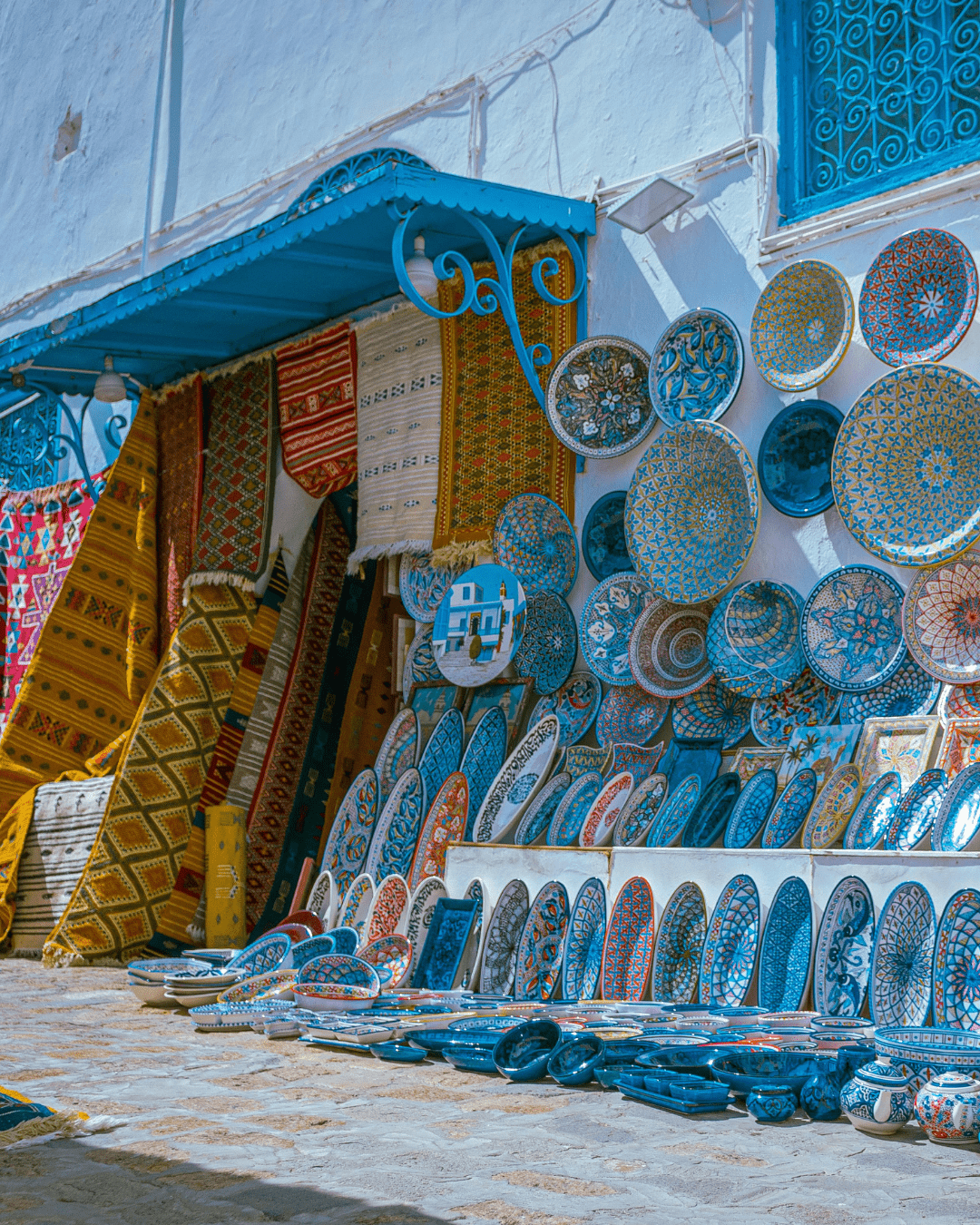
Every Inventio design carries a hidden QR code, because every design carries a story. Latin Rhymes was built on Mexico: pre-Columbian geometry, the reds and oranges of the desert sun, the blues of the Pacific and Caribbean coasts, the craft of artisans who have carried those patterns forward for generations.
This is the other half of that story. The sound.
A print built on rhythm
Mexican folk music is layered exactly the way the print is. Indigenous roots underneath, Spanish stringed instruments on top, African rhythm threaded through the middle, and centuries of regional reinvention on top of all of it. Nothing in it is one single thing, which is precisely what makes it Mexican.
It is also music made for the body. Most of these traditions exist to be danced — in a courtyard, at a village festival, on a wooden platform set up in the square. Not listened to politely while seated. The print borrows that logic: it is meant to be worn in motion, in the sun, somewhere with people around.
The traditions behind the pattern
These are the roots rather than the radio — the regional sones and folk forms that shaped what most of the world now hears as "Mexican music."
Son jarocho (Veracruz). Harp, small jarana guitars, requinto, and improvised verses traded between singers over a tarima, a wooden dance platform that doubles as a percussion instrument. The Gulf coast's Indigenous, Spanish and African inheritance in a single form.
Son huasteco or huapango (the Huasteca). Violin, jarana huasteca and quinta huapanguera, with a soaring falsetto break in the vocals. Fast, intricate, and among the most technically demanding folk music in the Americas.
Son jalisciense and mariachi (Jalisco). Before the trumpets and the uniforms, mariachi was a rural string ensemble: violins, vihuela, guitarrón. The sound that became Mexico's global signature started here, as village dance music.
Son istmeño (Isthmus of Tehuantepec, Oaxaca). Zapotec-language songs with a slow, formal waltz feel. Some of the most beautiful melodies in the repertoire come from this corner of Oaxaca.
Pirekua (Michoacán). The song tradition of the Purépecha people, recognized by UNESCO as intangible cultural heritage. Gentle, melancholic, and sung in Purépecha.
Marimba (Chiapas). A wooden keyboard played by several musicians at once, the signature sound of the southern highlands and the Guatemalan border.
Corrido and norteño (the north). Accordion and bajo sexto carrying narrative ballads — the news, the history and the mythology of the borderlands, sung.
If the Indigenous side of that inheritance interests you, we wrote about it directly in Beyond Borders: Discovering the Indigenous Peoples of Mexico.
The playlist
We put together a Mexican folklore playlist that follows those roots. It is the soundtrack we had in mind for Latin Rhymes — good for a terrace at the end of the afternoon, a long drive, or the hour between the pool and dinner.
Wearing it
Latin Rhymes is a loud print on a quiet cut. Our signature length keeps it tailored rather than costume, so the pattern does the talking and nothing else has to. Pair it with plain linen and let the short be the only event — the approach we lay out in our pool-to-bar guide.
The rest of the collection carries its own stories: browse all our swim shorts, or start with Asian Serenity and Mediterranean Echoes.
Designed in Montréal, made for wherever the sun goes.